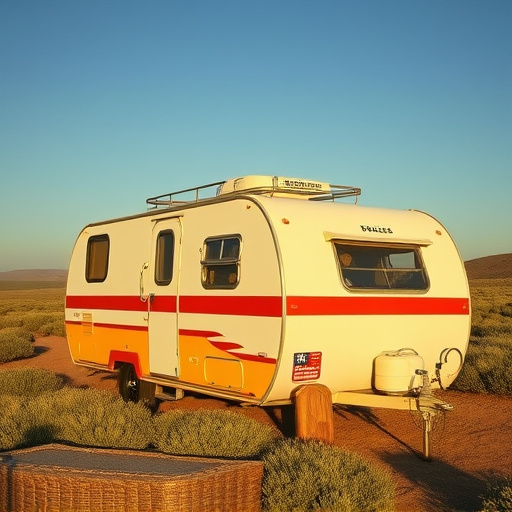
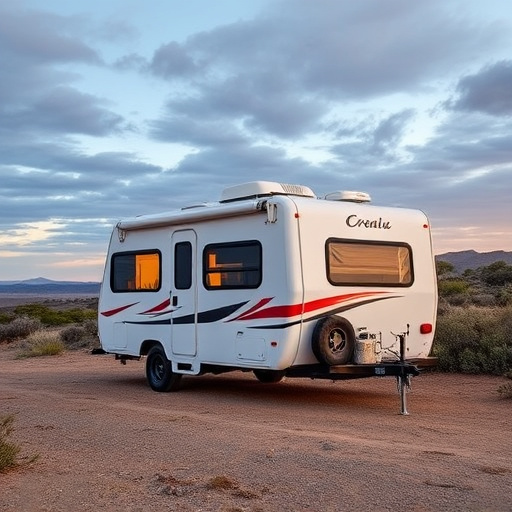
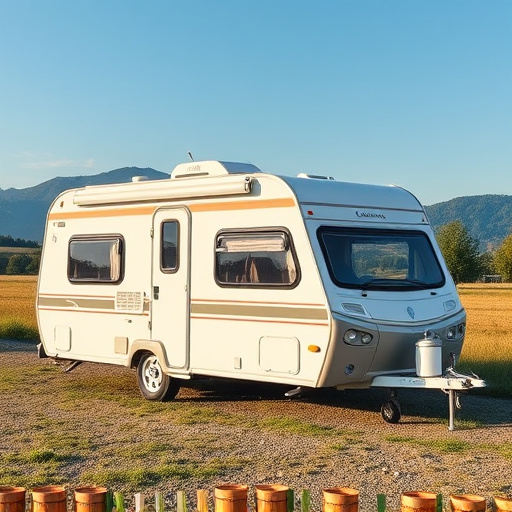
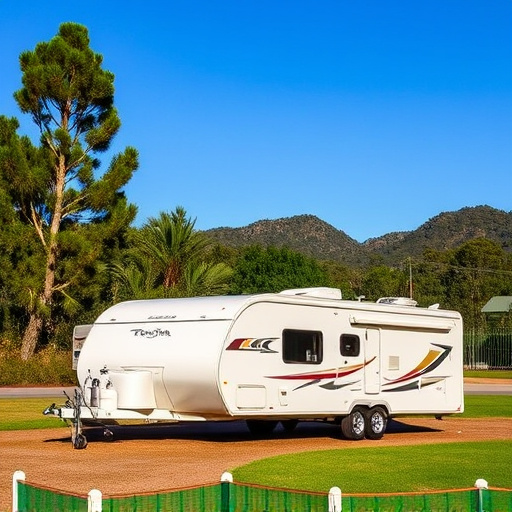
Caravan Manufacturers Australia: A Comprehensive Overview
Introduction
Welcome to an extensive exploration of the vibrant and dynamic industry that is caravan manufacturing in Australia. In this article, we embark on a journey to unravel the intricacies of this sector, highlighting its significance, global impact, technological innovations, and future potential. Australia’s caravan manufacturers play a pivotal role in shaping recreational travel experiences, catering to both domestic and international markets with their innovative designs and high-quality products. This article aims to equip readers with an in-depth understanding of this industry, its trends, and its broader implications.
Understanding Caravan Manufacturers Australia
Definition and Core Components
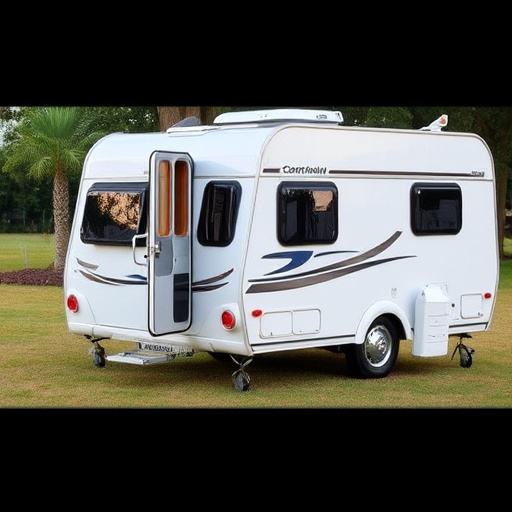
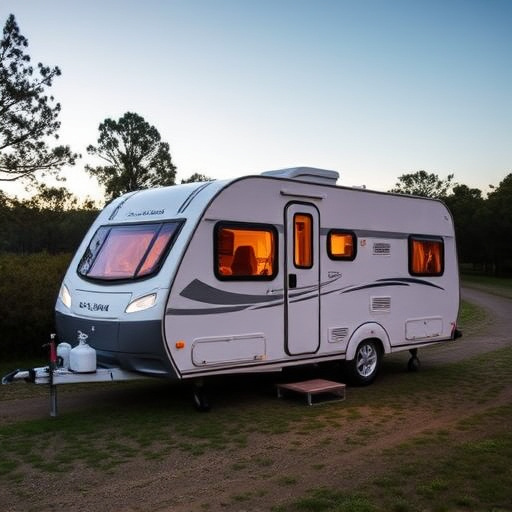
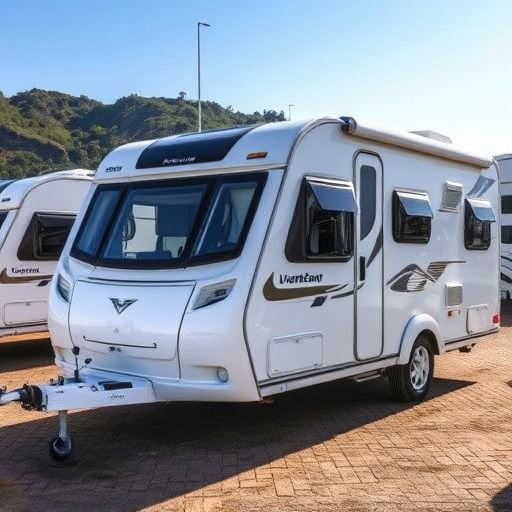
Caravan manufacturers Australia refers to the specialized businesses engaged in designing, producing, and distributing caravans—a type of recreational vehicle (RV) or motorhome. These manufacturers are responsible for creating mobile homes on wheels, combining elements of automotive engineering with interior design and construction. A caravan typically includes a living area, sleeping quarters, kitchenette, bathroom, and storage spaces, all integrated into a versatile and compact structure.
Historical Context and Significance
The history of caravan manufacturing in Australia dates back to the early 20th century when recreational travel was gaining popularity. Initially, caravans were converted from existing vehicles or handmade by enthusiasts. Over time, the industry evolved with specialized manufacturers emerging to meet growing demand. Today, Australian caravan manufacturers are renowned for their innovative designs, high-quality craftsmanship, and adaptability to diverse outdoor experiences, making them a significant contributor to the country’s recreational vehicle market.
Fit within the Landscape
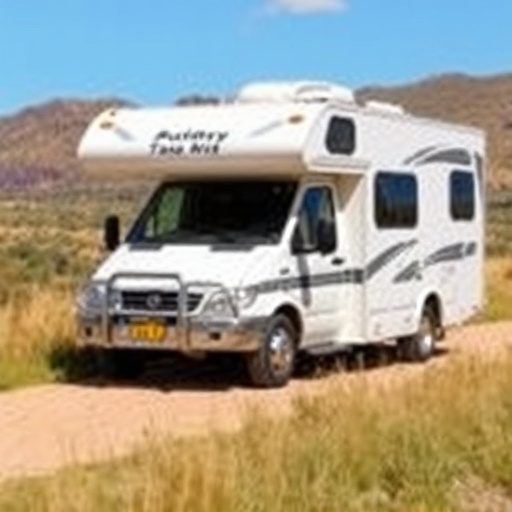
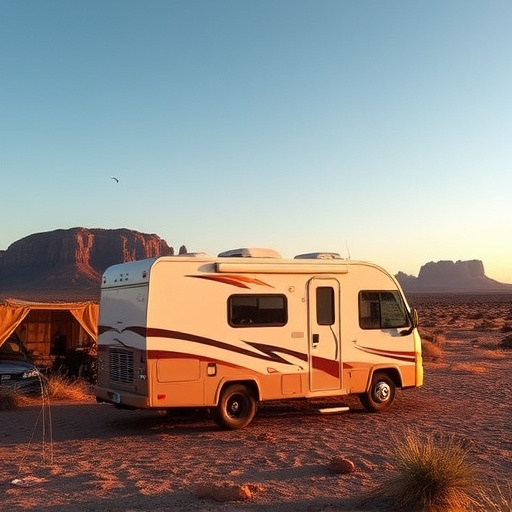
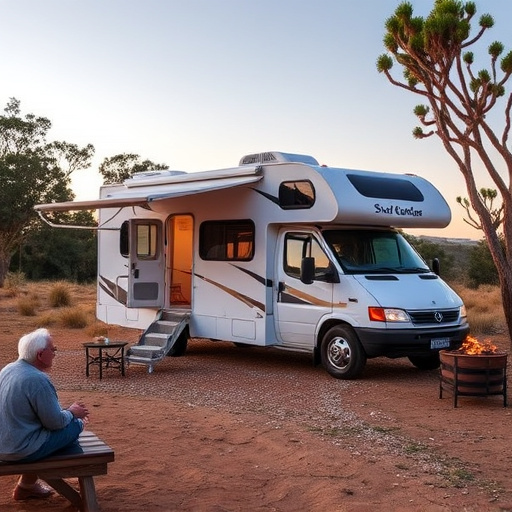
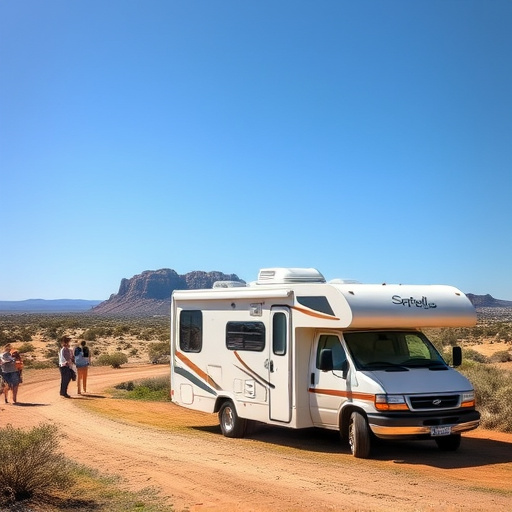
Caravan manufacturing in Australia is deeply intertwined with the nation’s love for outdoor adventures and its vast, diverse landscapes. With countless camping grounds, national parks, and remote areas across the continent, Australians have a natural inclination towards mobile recreation. Manufacturers cater to this passion by offering a range of caravan types, from compact travel trailers suitable for weekend getaways to luxurious, spacious models for extended family vacations.
Global Impact and Trends
International Influence
Australia’s caravan manufacturing industry has left its mark on the global stage, influencing design trends and technological innovations worldwide. Australian manufacturers are known for their innovative use of space, robust construction, and integration of advanced features. These attributes have inspired peers internationally, leading to a global shift towards more versatile and technologically advanced caravans.
Key Trends Shaping Trajectories
Lightweight Construction: A significant trend in modern caravan manufacturing is the emphasis on lightweight materials and structures. This reduces fuel consumption, improves maneuverability, and enhances overall efficiency without compromising strength or durability.
Integrated Technology: The integration of smart technology has revolutionized caravans, offering features such as satellite connectivity, automated lighting systems, and advanced entertainment systems, elevating the indoor experience to new heights.
Customizable Designs: Manufacturers are increasingly catering to individual preferences by offering customizable options, allowing buyers to personalize their caravans’ layout, amenities, and aesthetic appeal.
Sustainability Focus: With growing environmental consciousness, caravan manufacturers worldwide, including Australia, are adopting eco-friendly practices, utilizing sustainable materials, and incorporating energy-efficient systems.
Regional Variations
The impact of Australian caravan manufacturing extends beyond its borders, with distinct regional influences shaping design preferences:
North America: Australian designs have influenced North American manufacturers in terms of space optimization and advanced features, leading to more innovative floor plans and technology integrations.
Europe: The European market appreciates the robust construction and versatile nature of Australian caravans, often adopting these attributes while adding unique European aesthetic touches.
Asia: In Asia, Australian caravans are known for their reliability and quality, leading to increasing demand for import models with Australian design signatures.
Economic Considerations
Market Dynamics
The Australian caravan manufacturing market is a vital component of the country’s recreational vehicle industry, which has experienced significant growth over the past decade. Factors driving this growth include:
Rising disposable incomes and a growing culture of outdoor recreation among Australians.
Increased accessibility to remote locations due to improved road infrastructure.
The popularity of caravan travel among retirees seeking flexible and affordable housing options.
Investment Patterns
The industry attracts substantial investments, primarily from private equity firms, venture capitalists, and established automotive companies interested in diversifying their portfolios. These investments fuel research and development, encourage innovation, and support the expansion of manufacturing capacities.
Economic System Integration
Caravan manufacturers contribute significantly to Australia’s economy:
Employment: The industry supports numerous direct and indirect jobs, from skilled tradespeople involved in production to sales, marketing, and distribution professionals.
Export Potential: Australian caravans are sought after internationally, contributing to the country’s export revenues. Manufacturers often customize designs for global markets, leveraging their innovative capabilities.
Tourism Boost: By facilitating mobile travel experiences, caravan manufacturers indirectly contribute to Australia’s tourism sector, encouraging domestic and international visitors to explore the nation’s diverse attractions.
Technological Advancements
Innovations in Design and Manufacturing
Australian caravan manufacturers have been at the forefront of technological advancements, driving innovation in both design and manufacturing processes:
Computer-Aided Design (CAD): CAD software enables precise and efficient designing, allowing for complex layout planning, 3D modeling, and cost estimation.
Advanced Materials: Manufacturers are exploring lightweight composite materials, fiberglas reinforcements, and energy-efficient insulation to enhance caravan performance and sustainability.
Automated Manufacturing: The adoption of automation in production processes improves efficiency, reduces labor costs, and ensures consistent quality control.
Impact on the Industry
Technological innovations have brought about:
Enhanced Safety Features: Advanced driver assistance systems (ADAS), such as collision avoidance and lane departure warning, are now standard in many modern caravans, improving road safety.
Smart Home Integration: The integration of smart home technology allows for remote control of lighting, climate control, security systems, and entertainment centers, elevating the overall living experience.
Improved Fuel Efficiency: Lightweight construction, advanced aerodynamics, and efficient engines contribute to better fuel economy, making caravans more environmentally friendly and cost-effective to operate.
Future Potential
The future holds immense potential for technological advancements in caravan manufacturing:
Electric Power Systems: The transition to electric power is gaining momentum, with manufacturers exploring battery-powered and hybrid options, offering quieter, cleaner, and more sustainable travel experiences.
Connectivity and Data Analytics: Integration of advanced connectivity features enables real-time data analytics, providing valuable insights into energy usage, maintenance needs, and user preferences for personalized service offerings.
Artificial Intelligence (AI): AI can revolutionize caravan design by predicting user needs, optimizing interior layouts, and enhancing in-vehicle entertainment systems through natural language processing and personalized recommendations.
Policy and Regulation
Key Policies and Frameworks
The Australian government has implemented various policies and regulatory frameworks to support and guide the caravan manufacturing industry:
National Vehicle Standards: The Australian New Car Assessment Program (ANCAP) sets safety standards for all vehicles, including caravans, ensuring minimal crash risks.
Environmental Regulations: The Environmental Protection & Biodiversity Conservation Act 1999 (EPBC Act) governs the environmental impact of development, including caravan manufacturing, with manufacturers required to obtain approvals for certain projects.
Import and Export Controls: Customs regulations facilitate the import and export of caravans, ensuring compliance with safety and quality standards.
Influence on Industry Development
These policies and regulations:
Ensure the industry adheres to strict safety and environmental standards, fostering consumer confidence.
Provide a level playing field for local manufacturers by setting consistent standards across the market.
Encourage innovation through incentives for research and development while ensuring compliance with international regulations.
Challenges and Criticisms
Main Issues Faced
Despite its success, the Australian caravan manufacturing industry faces several challenges:
Global Competition: The industry competes globally with well-established manufacturers from Europe and North America, posing a threat to local market share and profitability.
Supply Chain Disruptions: Global supply chain issues, particularly in the wake of the COVID-19 pandemic, have impacted availability of raw materials and components, leading to production delays and increased costs.
Skills Shortage: There is a growing need for skilled tradespeople in manufacturing, with a shortage of qualified workers posing a threat to production capabilities.
Proposed Solutions
To address these challenges:
Government Incentives: Providing incentives for research and development, encouraging innovation, and supporting the adoption of advanced technologies can enhance local manufacturers’ competitiveness globally.
Supply Chain Resilience: Building resilient supply chains through strategic partnerships and localized sourcing can mitigate disruptions and ensure a consistent material supply.
Training Programs: Investing in vocational training programs to address the skills shortage will ensure a pipeline of qualified workers for the industry’s future needs.
Case Studies: Success Stories
Case Study 1: Freedom Motors
Overview: Freedom Motors, an Australian startup, gained recognition for its innovative line of off-road caravans tailored for adventurous travelers. Their signature product, the ‘Trailblazer,’ offers a spacious interior, advanced off-road capabilities, and smart technology integrations.
Success Factors:
Niche Market Focus: Freedom Motors identified a gap in the market for rugged, off-road caravans, catering to outdoor enthusiasts who demand exceptional durability and off-road performance.
Customizability: They offered customizable options, allowing buyers to personalize their caravans’ features, ensuring each vehicle aligns with individual preferences and needs.
Digital Marketing Strategy: Their effective use of social media and online platforms to showcase unique caravan features and customer testimonials attracted a dedicated following, leading to strong sales.
Case Study 2: Sunrunner Caravans
Overview: Sunrunner Caravans has established itself as a leader in luxury mobile living, known for its sleek designs, cutting-edge amenities, and attention to detail. Their flagship model, the ‘Skyview,’ boasts panoramic views, a spacious interior, and advanced entertainment systems.
Lessons Learned:
Luxury Market Niche: Sunrunner identified a growing demand for luxury caravans among affluent travelers seeking high-end experiences. By catering to this niche, they created a distinct brand identity.
Interior Design Expertise: Their focus on interior design and craftsmanship set them apart, offering a unique living experience that rivals traditional homes.
Customer Experience: Sunrunner prioritizes customer satisfaction through personalized sales approaches, ensuring buyers receive tailored recommendations based on their needs and preferences.
Future Prospects
Growth Areas
The future of Australian caravan manufacturing holds immense potential in several areas:
Sustainable Caravans: With increasing environmental awareness, there will be a growing demand for eco-friendly caravans, encouraging manufacturers to explore more sustainable materials, energy-efficient systems, and off-grid capabilities.
Smart Home Integration: The integration of smart technology will continue to evolve, offering enhanced connectivity, automated features, and personalized living experiences tailored to individual user preferences.
Customized Luxury Caravans: The luxury market is expected to expand, with manufacturers catering to affluent travelers seeking bespoke, high-end caravans that offer a home away from home.
Emerging Trends
Modular Design: Modular caravan designs allow for flexible configurations, catering to diverse user needs and promoting space optimization.
Remote Work Solutions: The rise of remote work will fuel the demand for mobile offices, prompting manufacturers to design caravans with dedicated workspaces, high-speed internet connectivity, and ergonomic features.
Cultural Fusion: With global travel becoming more accessible, manufacturers will incorporate cultural influences into their designs, creating caravans that resonate with a diverse range of travelers.
Strategic Considerations
To capitalize on future prospects:
Collaboration and Partnerships: Manufacturers should foster partnerships with technology providers to integrate advanced systems seamlessly, ensuring product innovation and market competitiveness.
Global Market Expansion: Exploring international markets, particularly in regions with a growing demand for recreational vehicles, can open up new sales channels and revenue streams.
Sustainability Initiatives: Adopting sustainable practices not only meets environmental expectations but also positions manufacturers as responsible corporate citizens, enhancing brand reputation.
Conclusion: Navigating the Future of Caravan Manufacturing
Caravan manufacturing in Australia is a dynamic and ever-evolving industry that plays a pivotal role in shaping outdoor recreation and mobile living experiences. From its historical roots to its global influence, technological advancements, and future prospects, this sector continues to thrive and adapt. By addressing challenges, learning from successful case studies, and embracing emerging trends, Australian caravan manufacturers are well-positioned to navigate the future, offering innovative products that cater to diverse traveler needs while contributing significantly to the country’s economy and recreational vehicle market.
FAQ Section
Q: What sets Australian caravans apart from those made elsewhere?
A: Australian caravans are renowned for their robust construction, versatile designs, and innovative features tailored to the unique landscapes and outdoor recreation preferences of Australia. They often incorporate advanced technology and smart home integrations, providing a superior indoor experience.
Q: Are caravan manufacturers in Australia affected by global economic downturns?
A: While global economic fluctuations can impact the industry, Australian caravan manufacturers have demonstrated resilience due to their strong domestic market and diverse product offerings. Export opportunities also play a significant role in mitigating economic challenges.
Q: How does the Australian government support caravan manufacturing?
A: The Australian government provides various forms of support through incentives for research and development, environmental regulations ensuring sustainability, and customs frameworks facilitating trade. These measures foster a conducive environment for industry growth and innovation.
Q: What are some emerging technologies in modern caravans?
A: Modern caravans incorporate advanced technologies like electric power systems, smart home integrations, connectivity features enabling data analytics, and AI-powered recommendations for personalized experiences. These innovations enhance efficiency, convenience, and customization.
Q: How can I choose the best caravan manufacturer?
A: Consider factors such as reputation, product quality, customer reviews, available features, after-sales support, and your specific needs (e.g., travel style, budget). Researching different manufacturers and comparing options will help you make an informed decision.
Australia's caravan market is vibrant, driven by strong consumer demand and diverse offerings from local manufacturers. Vacationer Caravans stands out for its luxurious models catering to families, while other brands focus on robust constru…….
Australia's caravan industry thrives with diverse local manufacturers catering to varied terrains and climates. Vacationer Caravans is a leading player, renowned for quality, innovation, and design. They offer a wide range of models, from c…….
Vacationer Caravans, an Australian brand, offers a diverse range of top-value caravans catering to families, retirees, and seasoned travelers alike. Known for quality, innovation, comfort, safety, and durability, their models feature spacious in…….
The Australian caravan market is thriving with diverse local and international caravan manufacturers offering a wide range of Vacationer Caravans. Brands like Jayco, Forest River, Travelmate, and Sunlight Caravans cater to various preferences, b…….
Choosing Vacationer Caravans as your caravan manufacturers in Australia ensures a memorable travel experience. They offer quality, reliability, and exceptional craftsmanship, with innovative designs and after-sales support. Their diverse range c…….
Vacationer Caravans, an Australian pioneer since decades, is a top choice for premium caravans known for quality, innovative designs catering to diverse adventurer needs. They offer a range of models from compact to family-sized options, focusin…….
Australia's love for outdoor adventures has fueled the rise of caravan manufacturing, with local producers creating high-quality, innovative designs globally recognized for their robust construction and attention to detail. Top brands like…….
In Australia, the thriving caravan manufacturers Australia industry reflects a deep-rooted love for adventure. These manufacturers produce high-quality, versatile caravans catering to diverse landscapes and traveler needs. With factory direct pu…….
Vacationer Caravans, an Australian leader in caravan design, offers a diverse range of high-quality, innovative models catering to various needs and preferences. From compact couples' caravans to spacious family options, each caravan is cra…….
In Australia, caravan manufacturers like Vacationer Caravans in Victoria produce sturdy and comfortable caravans suited for diverse terrains, from beaches to rainforests. These manufacturers combine innovative design with robust construction tec…….
Australia boasts a vibrant caravan market with diverse local manufacturers offering models for every budget and travel need. From compact pop-up caravans for weekend getaways to luxurious family options, these caravans are built to withstand Aus…….
Vacationer Caravans offer premium models combining comfort, style, and advanced features for modern travelers. Located at 59 Capital Link Dr, Campbellfield VIC 3061, Australia, they provide tailored packages, competitive pricing, and personalize…….
Choosing Australian-made caravans from leading manufacturers like Vacationer Caravans in Campbellfield, VIC, offers numerous advantages over imported models. These local businesses produce high-quality, durable vehicles tailored for Australia�…….
In Australia, there's a growing trend of tourists and locals embracing locally built vacationer caravans for unique travel experiences. This preference is driven by supporting regional economies, preserving craftsmanship, and promoting eco-…….
Vacationer Caravans in Campbellfield, VIC (59 Capital Link Dr) offer factory-built recreational vehicles for an immediate, stress-free travel experience. Crafted with quality and convenience in mind, these caravans boast modern designs, luxuriou…….
Vacationer Caravans is a leading Australian caravan manufacturer renowned for quality, innovation and customer service. They offer top-value models with modern amenities designed for diverse outdoor adventures. Located in Campbellfield, VIC (59…….
Vacationer Caravans offers high-quality, locally made caravans in Australia, catering to diverse traveller needs with robust construction and meticulous craftsmanship. Based in Campbellfield VIC, they provide a full range of models for various a…….
Vacationer Caravans, established in 1998 and based at 59 Capital Link Dr, Campbellfield VIC 3061, Australia, is a leading manufacturer of premium caravans. Known for robust yet luxurious construction, cutting-edge designs, and spacious interiors…….
Vacationer Caravans is a leading caravan manufacturer in Australia, known for its commitment to quality, design innovation, and outdoor living expertise. They craft durable and comfortable caravans with advanced engineering and sustainable mater…….
Caravan Manufacturers Australia boasts a reputation for innovative designs, superior craftsmanship, and comfortable living spaces, catering to diverse needs from compact travel trailers to luxurious motorhomes. Vacationer Caravans, a leading man…….